Transform Your Yard with Sustainable Landscaping Tips Jul 02, 2026
Sustainable landscaping begins with thoughtful design, taking into consideration the unique characteristics of your yard. Start by assessing your current landscape conditions, such as sunlight exposure, soil type, and climate. This understanding will guide you in selecting native plants that thrive in your specific environment. Native plants are naturally adapted to the local climate, requiring less water and maintenance, which ultimately conserves resources and reduces waste.
Incorporating a rainwater harvesting system is another effective strategy for sustainability. By collecting and storing rainwater, you reduce the demand on municipal water supplies and provide a natural water source for your garden. This can be as simple as setting up a rain barrel under your gutters or implementing more sophisticated systems that distribute water throughout your property.
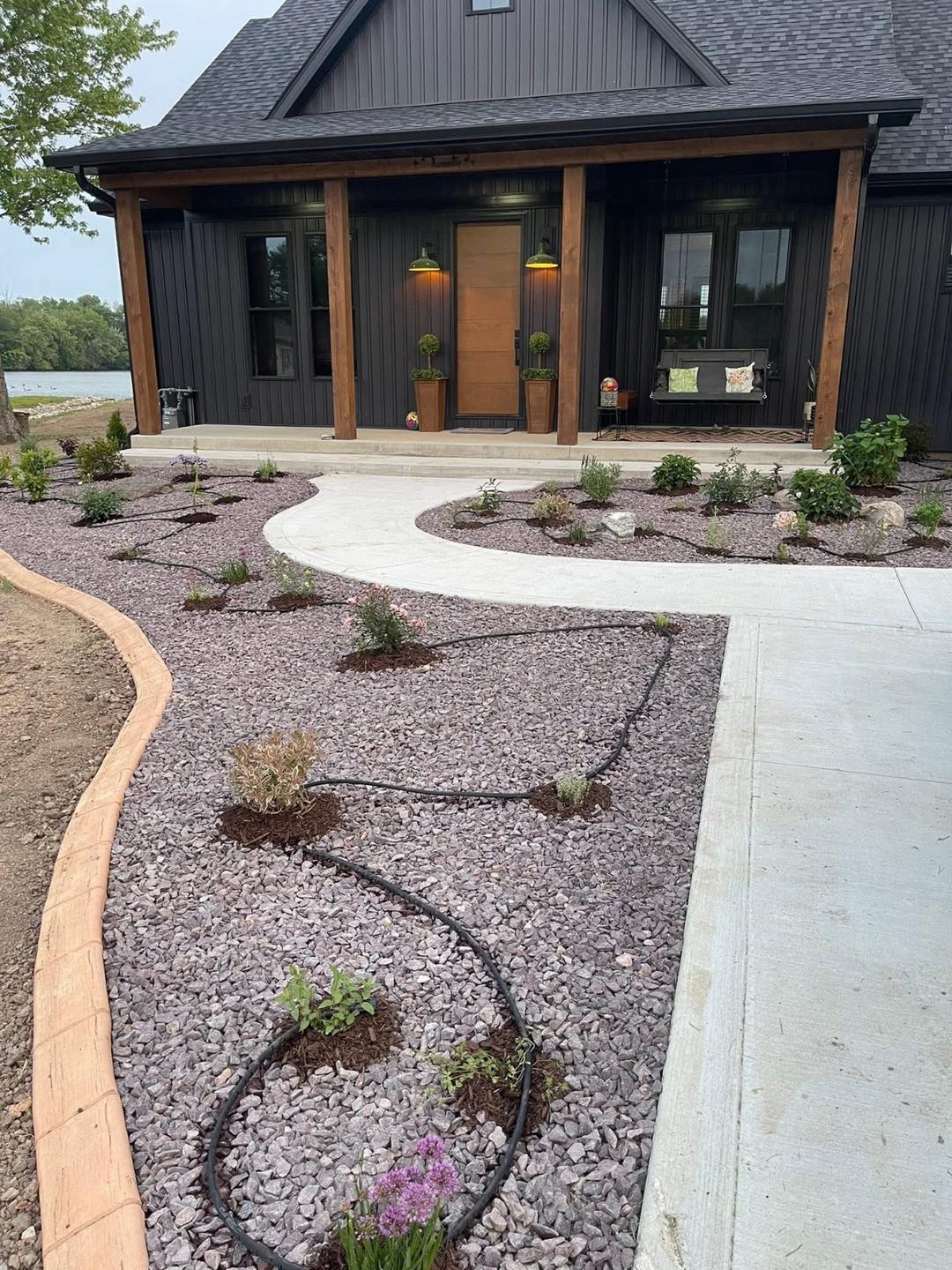
Mulching is a simple yet impactful technique in sustainable landscaping. Using organic mulch such as wood chips or bark helps to retain soil moisture, suppress weeds, and improve soil health as it decomposes. By reducing the need for frequent watering and chemical herbicides, mulching advances both sustainability and the overall vitality of your garden.
Another key aspect of sustainable landscaping is adopting efficient irrigation practices. Drip irrigation systems, for example, are highly effective in minimizing water usage while ensuring that plants receive adequate moisture directly at their roots. Modern irrigation technology often comes with timers and sensors that optimize water usage based on weather conditions, further supporting resource conservation.
Implementing hardscaping elements, like permeable pavers, can enhance the sustainability of your yard. These materials allow water to seep into the ground rather than running off into storm drains, reducing erosion and lowering the risk of flooding. Not only do permeable surfaces benefit the environment, but they also add aesthetic and functional appeal to your landscape design.
Composting is a sustainable practice that turns kitchen scraps and yard waste into nutrient-rich soil amendments. By composting, you help reduce landfill waste while providing your garden with a natural fertilizer that promotes healthy plant growth. It's a simple way to recycle organic waste and improve your garden's productivity.
Finally, sustainable landscaping embraces the principle of biodiversity. Encouraging a variety of plant species in your yard not only enhances visual interest but also supports local wildlife, including beneficial pollinators like bees and butterflies. Consider planting a mix of flowers, shrubs, and trees that bloom at different times to provide year-round habitat and food sources for these essential creatures.
By following these sustainable landscaping tips, you contribute positively to the environment while creating a beautiful and resilient outdoor space. Trust Moon’s Lawn Service and Landscaping to guide you in implementing these practices, ensuring your yard not only meets your aesthetic desires but also aligns with eco-friendly standards. A well-planned sustainable landscape not only brings personal enjoyment but also plays a part in preserving our planet for future generations.
/filters:no_upscale()/filters:format(webp)/media/839c3d1a-b31c-4d1d-ba36-e9d1eedbc306.jpeg)